

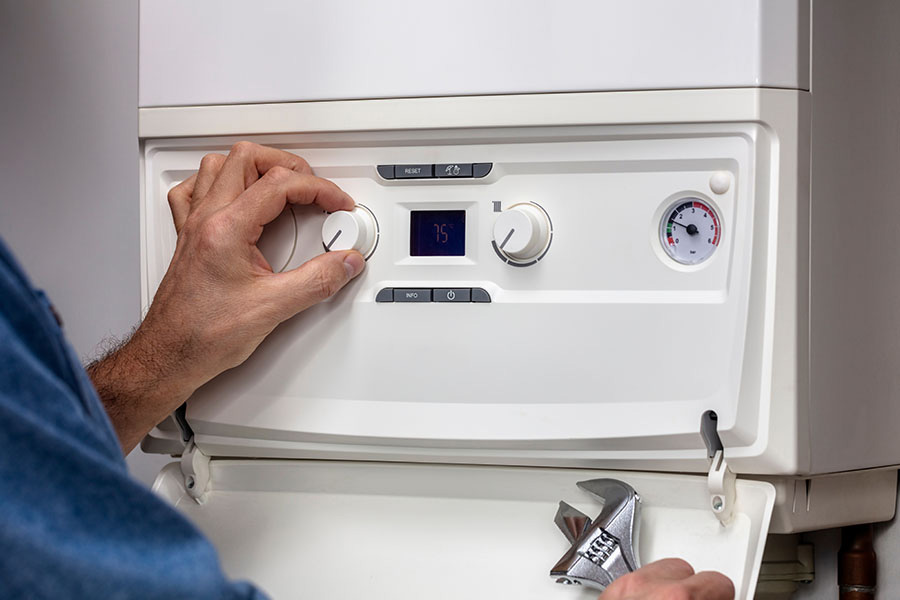
Boiler emergencies can feel like the sky is falling, but you don’t have to panic. Knowing what to do when trouble strikes can save you time, money, and stress. From recognizing the warning signs to contacting a professional, there are crucial steps you need to take. If you’re unsure where to start or what to look for, stick around as we outline ten expert tips specifically for Sudbury homeowners facing these urgent situations.
Recognize the Signs of a Boiler Emergency
How can you tell if your boiler’s in trouble? First, pay attention to unusual noises like banging or clanging. These sounds often signal internal issues that need immediate attention.
Next, check for water leaks around the boiler; this can indicate a serious problem. If you notice a drop in your home’s temperature in spite of the boiler running, it’s a clear sign something’s off.
Furthermore, be alert for error codes or warning lights on the control panel, as these indicate malfunctions. A strange smell, especially gas, can be dangerous and needs urgent action.
Finally, consider how old your boiler is; if it’s nearing the end of its lifespan, keep a closer eye on its performance. Additionally, regular routine maintenance can help identify potential problems early and prevent emergencies.
Turn Off the Boiler Immediately
When you suspect a boiler emergency, your first step is to turn off the boiler immediately. This action prioritizes safety and helps prevent further damage to your system and home. Additionally, it is crucial to contact a team with nearly 50 years of experience to ensure proper assessment and repair of your boiler issues.
Safety First Always
If you notice any signs of trouble with your boiler, it’s vital to turn it off immediately. This precaution helps prevent accidents and further damage. Always prioritize safety in these situations.
Here are some quick safety tips to keep in mind:
- Verify you know where the boiler shut-off valve is located.
- Use your phone to call for professional help instead of attempting repairs yourself.
- Keep the area around the boiler clear of any flammable materials.
- Avoid using water to cool down an overheated boiler; it can cause damage.
- Make certain your smoke detectors are functioning properly for added safety.
Prevent Further Damage
To prevent further damage to your boiler, it’s crucial to turn it off immediately at the first sign of trouble.
Whether you notice strange noises, leaking water, or an unusual smell, shutting off the boiler can stop minor issues from escalating into major repairs.
Locate the power switch or circuit breaker and turn it off without delay. Guarantee your family stays safe by keeping everyone away from the boiler area.
Once it’s off, contact a qualified technician, like those at A&L Plumbing, Heating & Cooling Inc., who can assess the situation.
Remember, acting quickly can save you time and money in the long run.
Don’t hesitate; addressing problems early can make all the difference.
Check the Pressure Gauge
The pressure gauge on your boiler is like the heartbeat of the system, providing vital insights into its operation.
Keeping an eye on this gauge is important for ensuring your boiler functions efficiently. If the pressure is too low or too high, it can lead to serious issues.
Here’s what you should know:
- Normal Range: Check that the pressure is typically between 1 and 2 bars.
- Low Pressure: If it’s below 1 bar, you may need to repressurize the system.
- High Pressure: Readings above 2.5 bars indicate potential safety risks.
- Check Regularly: Make it a habit to monitor the gauge weekly.
- Act Quickly: If you notice any irregularities, contact a professional immediately. Regular maintenance ensures efficient boiler operation and helps identify potential issues effectively.
Inspect for Leaks
When your boiler shows signs of trouble, the first thing you should do is inspect for leaks.
Check for any visible water around the unit and look at the surrounding areas for moisture or damp spots.
Furthermore, keep an eye on the water pressure, as fluctuations can indicate a leak needing your attention. Additionally, addressing water leak repair promptly can prevent costly damage to your property from unchecked leaks.
Check for Visible Leaks
Leaks can often be the first sign of a boiler problem, so it’s crucial to check for any visible signs. Inspect your boiler thoroughly for any water pooling or moisture.
Look for rust or corrosion on the unit, as this can indicate leaks. Pay attention to the pipes connected to the boiler; they can likewise develop leaks over time. Don’t forget to check around the pressure relief valve, which can sometimes be a source of leaks.
Here’s what to look for:
- Water pooling beneath the boiler
- Damp spots on walls or floors
- Rust or corrosion on the boiler
- Dripping or wet pipes
- Signs of mold or mildew nearby
Addressing leaks quickly can save you from a costly repair later.
Inspect Surrounding Areas
After checking for visible leaks on your boiler, it’s important to extend your inspection to the surrounding areas.
Look for any signs of moisture on the walls, floors, or ceilings near the boiler. Pay close attention to the pipes and connections; even a small drip can signal a larger problem.
Check the insulation around the pipes as well—damp or moldy insulation could indicate a hidden leak.
Don’t forget to inspect the floor for any water pooling or stains, as these can likewise point to issues.
If you notice anything unusual, it’s best to address it promptly. Ignoring these signs could lead to more significant damage or costly repairs in the future.
Monitor Water Pressure
Monitoring your boiler’s water pressure is crucial, as it can help you identify potential leaks before they escalate into major issues.
Keeping an eye on the pressure gauge guarantees your system operates efficiently and safely. If you notice a drop in pressure, it might indicate a leak somewhere in the system.
Here are some tips to help you monitor water pressure effectively:
- Check the pressure gauge regularly.
- Look for signs of water pooling around the boiler.
- Inspect pipes and fittings for any moisture.
- Be aware of unusual noises coming from the boiler.
- Schedule routine maintenance with a professional.
Listen for Unusual Noises
Have you ever noticed strange sounds coming from your boiler? Those unusual noises can be your system’s way of signaling that something’s not right.
Common sounds include banging, whistling, or gurgling, and each can indicate different issues. For instance, banging might suggest a water hammer, possibly owing to high pressure or pipes that aren’t secured properly. Whistling can point to a pressure imbalance or a blockage in the system. Gurgling often means there’s trapped air or a low water level.
Ignoring these sounds could lead to more significant problems down the line, so it’s essential to pay attention. When you hear something off, don’t hesitate to investigate further.
If you’re unsure, it’s best to call a professional. A&L Plumbing, Heating & Cooling Inc. is here for you, offering expert advice and emergency service whenever you need it.
Stay alert, and take action to keep your boiler running smoothly!
Ensure Proper Ventilation
To keep your boiler running safely and efficiently, you need to guarantee proper ventilation.
Regularly check your ventilation ducts to prevent blockages and make certain airflow is accessible.
Don’t forget to inspect your exhaust systems carefully, as poor ventilation can lead to serious issues.
Check Ventilation Ducts Regularly
While you might think of your boiler as the heart of your home’s heating system, proper ventilation is just as crucial for its efficiency and safety.
Regularly checking your ventilation ducts guarantees that air can flow freely, preventing overheating and potential hazards.
Here are some quick tips to keep in mind:
- Inspect ducts for any blockages or debris.
- Look for signs of corrosion or damage.
- Confirm that all vents are open and unobstructed.
- Clean ducts periodically to maintain airflow.
- Schedule professional inspections annually for thorough assessments.
Ensure Airflow Accessibility
How can you guarantee proper airflow around your boiler? First, make sure there’s enough space around the unit. Clear away any debris, furniture, or other obstacles that could restrict airflow. Ideally, you should maintain at least a few feet of clearance on all sides.
Next, check air vents and ductwork for blockages. Dirty filters can likewise impede airflow, so replace them regularly. Ascertain that your boiler’s intake and exhaust vents are free from obstructions, like snow or leaves.
Finally, consider installing additional ventilation if your boiler room is small or poorly ventilated. Keeping airflow accessible not only improves efficiency but additionally reduces the risk of potential issues, assuring your boiler operates safely and effectively.
Inspect Exhaust Systems Carefully
After verifying proper airflow around your boiler, it’s vital to inspect the exhaust systems. A well-functioning exhaust system is critical for safe operation, as it directs harmful gases outside.
Here are some key points to take into account when inspecting your exhaust systems:
- Check for any blockages, such as debris or bird nests.
- Confirm all connections are tight and free from leaks.
- Inspect for signs of corrosion or damage.
- Verify that exhaust pipes slope away from the boiler for proper drainage.
- Test for proper ventilation to prevent backdrafting.
Performing these checks can help you avoid dangerous situations and make sure your boiler operates efficiently.
If you notice any issues, don’t hesitate to call a professional for assistance.
Reset the Boiler
If your boiler isn’t working properly, resetting it can often resolve minor issues quickly and effectively. First, locate the reset button, typically found on the boiler’s control panel. Press it firmly and hold for a few seconds until you see a light indicator or hear a click. This action can help re-establish the system’s normal operation.
Next, check the pressure gauge; it should be between 1 and 1.5 bars. If it’s low, add water to the system before resetting.
After resetting, monitor for any unusual noises or leaks that could indicate further issues. If the boiler doesn’t restart or continues to malfunction, it may signal a more serious problem that requires attention.
Always keep an eye on your boiler’s performance to catch any irregularities early. Remember, a quick reset can save you time and hassle, ensuring your home stays warm and comfortable.
Contact a Professional Technician
When your boiler continues to malfunction in spite of a reset, it’s time to contact a professional technician.
Attempting further DIY fixes could lead to more damage or safety hazards. A skilled technician has the expertise to diagnose and repair your boiler effectively.
Here are some key benefits to working with a professional:
- 24/7 Emergency Service: You won’t have to wait long for help.
- Fully Licensed and Insured: Rest easy knowing you’re in good hands.
- Honest Solutions: You’ll receive transparent information about your repair options.
- Flexible Financing Options: Get the help you need without stretching your budget.
- Routine Maintenance Benefits: Enjoy exclusive savings and maintenance perks.
Don’t hesitate to reach out to a trusted professional like A&L Plumbing, Heating & Cooling Inc.
They’re committed to providing reliable service and ensuring your home’s comfort.
Keep Emergency Numbers Handy
In case of a boiler emergency, having important contact numbers readily available can save you precious time and stress.
Start by listing your local emergency boiler repair service, like A&L Plumbing, Heating & Cooling Inc., which offers 24/7 assistance. Keep their number programmed in your phone and posted near your boiler for quick access.
Don’t forget to include numbers for your utility provider, as they may need to be notified if there’s a gas leak or power issue.
It’s likewise wise to have the contact of a trusted friend or neighbor who can help if needed.
Make sure all family members know where to find these numbers, ensuring everyone can act quickly during an emergency.
Keeping this information organized and accessible will help you respond effectively and minimize potential damage to your home.
Stay proactive, and you’ll navigate boiler emergencies with greater ease.
Schedule Regular Maintenance
Having emergency numbers on hand is a great first step, but scheduling regular maintenance for your boiler is just as essential in preventing emergencies.
By investing in routine checks, you can catch potential issues before they escalate, saving you time and money down the line. A well-maintained boiler operates more efficiently, guaranteeing your home stays warm and comfortable.
Here are some key benefits of regular maintenance:
- Increased efficiency: Regular checks help your boiler run at peak performance.
- Extended lifespan: Routine maintenance can prolong the life of your unit.
- Early problem detection: Identify minor issues before they turn into major repairs.
- Improved safety: Confirm your boiler operates safely and reduces risks of malfunctions.
- Peace of mind: Knowing your boiler is in good shape gives you confidence.
Don’t wait for a breakdown; prioritize maintenance to keep your boiler running smoothly!
Conclusion
In a boiler emergency, every second counts. By recognizing the signs and acting quickly—like turning off the boiler and checking the pressure—you can prevent further damage. It’s a common misconception that DIY repairs are safe; they often lead to bigger problems. Trusting a licensed professional not only guarantees your safety but likewise maintains your system’s efficiency. Remember, regular maintenance is your best defense against emergencies. Stay proactive, and your boiler will thank you!