

If you’re a homeowner in Sudbury, dealing with a water heater issue can be frustrating. Whether it’s strange noises, fluctuating temperatures, or leaks, knowing how to troubleshoot these problems is essential. You might think you can handle it, but there are specific steps to follow. Understanding these can save you time and money. So, what should you look for first?
Common Water Heater Issues in Sudbury
What should you look for when you notice issues with your water heater?
First, check for any unusual noises, like popping or rumbling, which could indicate sediment buildup. If you’re experiencing inconsistent water temperatures, it may suggest a failing heating element or thermostat.
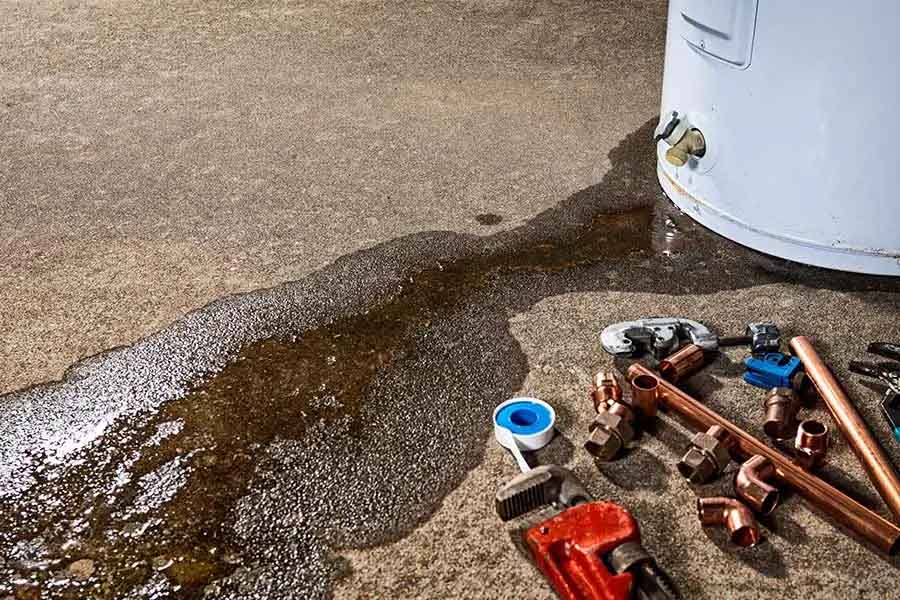
Another red flag is water discoloration or a metallic smell, pointing to corrosion within the tank. You should also inspect for leaks around the base; this can lead to significant damage if left unchecked.
If you notice a decrease in water pressure or a foul odor, these could be signs of a more serious problem.
Finally, keep an eye on the age of your water heater; if it’s over ten years old, it may be time for a replacement. Additionally, addressing these issues promptly can prevent safety concerns related to faulty water heaters.
Step-by-Step Troubleshooting Guide
To effectively troubleshoot your water heater, start by ensuring it’s powered on and receiving the necessary energy supply.
Check the circuit breaker or fuse to make sure it hasn’t tripped or blown. If you have a gas heater, confirm that the gas supply is on and the pilot light is lit.
Next, examine the thermostat settings. Make sure they’re set to the desired temperature, typically around 120°F.
If the water isn’t heating, you might need to replace the heating elements or thermostat.
Listen for unusual sounds like popping or rumbling; these could indicate sediment buildup.
If you hear these noises, consider flushing the tank to remove sediment.
Finally, inspect for leaks around the tank and connections.
If you notice any, tighten fittings or replace damaged parts. Following these steps can help you identify common problems before seeking professional assistance, and remember that high-quality workmanship is essential for ensuring optimal performance and longevity.
When to Call a Professional
- Strange noises: If your water heater is making unusual sounds, like banging or popping, it could be a sign of sediment buildup or other issues.
- Leaking water: Any leaks around the unit can lead to bigger problems, such as water damage or mold.
- Inconsistent water temperature: If your hot water fluctuates wildly or runs out too quickly, there may be a malfunction.
- Age of the unit: If your water heater is over 10-15 years old, it’s wise to consult a professional to evaluate its condition.
Additionally, timely water leak repair is crucial to prevent costly damage and ensure the longevity of your home’s systems.
Don’t hesitate to reach out to experts like A&L Plumbing, Heating & Cooling Inc. for reliable service!
Preventative Maintenance Tips
Although water heaters are often out of sight, performing regular preventative maintenance can keep them running efficiently and extend their lifespan.
Start by checking the temperature setting; 120°F is ideal for energy efficiency and safety. Next, flush the tank annually to remove sediment buildup, which can cause overheating and reduce efficiency.
Inspect the anode rod every few years, replacing it if it’s greatly corroded. Don’t forget to check for leaks around the tank and connections—catching these early can save you from costly repairs.
Also, consider insulating your water heater and the first few feet of pipes to improve efficiency. Finally, keep an eye on the pressure relief valve to guarantee it’s functioning correctly. Additionally, scheduling annual servicing can help enhance system efficiency and prevent unexpected breakdowns.
Understanding Water Heater Lifespan and Replacement Options
Understanding the lifespan of your water heater is essential for maintaining a comfortable home. Typically, water heaters last between 8 to 12 years, depending on the type and maintenance. Knowing when to replace your unit can save you from unexpected cold showers and costly repairs.
Here are some signs that it might be time for a replacement:
- Age: If your water heater is nearing the end of its lifespan, consider a new one.
- Leaks: Any signs of leaking water around the unit can indicate failure.
- Inconsistent temperatures: If your water isn’t heating properly, it could be a sign of a malfunction.
- Strange noises: Banging or popping sounds often suggest sediment build-up or wear.
If you notice any of these issues, it’s wise to consult with a professional like A&L Plumbing, Heating & Cooling Inc. to discuss your replacement options.
Conclusion
Just like a trusty ship steering through the waters, your water heater needs regular care to sail smoothly. You can keep your vessel afloat and your hot showers flowing by troubleshooting common issues and performing preventative maintenance. Remember, if the storm gets too rough, don’t hesitate to call in a skilled captain. With the right attention and timing, you can guarantee your water heater serves you well for many voyages to come.